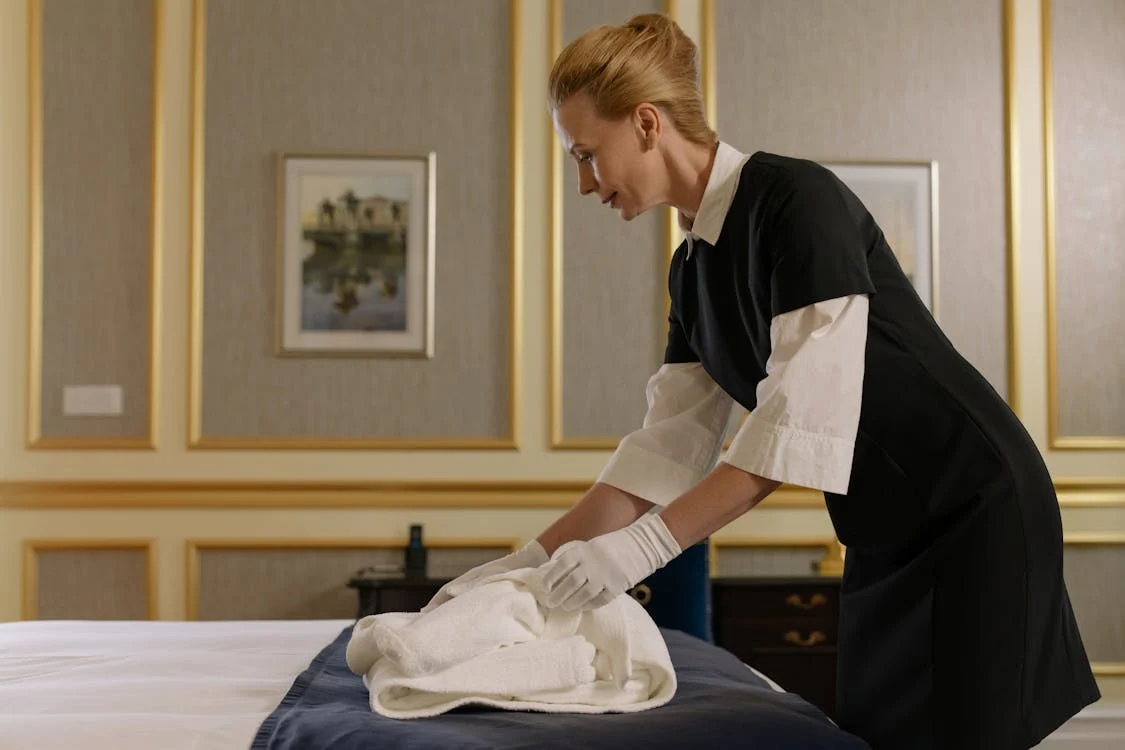
When people talk about a Filipino maid, what they often mean is someone who shows up every day with steady professionalism and a quiet kind of excellence that becomes the backbone of a household. For Al Mufawd, it’s not simply about cleaning and tidying, though that work on its own takes real skill, stamina, and attention to detail. It’s about creating order, comfort, and calm in the middle of busy lives. In many homes, a domestic worker from the Philippines becomes the person who makes the routines work, which notices what needs to be done before anyone else even realizes it, and that helping a family feel cared for in practical, meaningful ways.
Filipino Maids
One of the most admirable qualities many employers describe in Filipino maids is reliability. Housework isn’t glamorous, and it doesn’t come with applause. It’s repetitive, physically demanding, and often invisible when it’s done well. Yet a dependable worker treats it with seriousness. Floors get swept properly, laundry is sorted thoughtfully, kitchens are cleaned with hygiene in mind, and schedules are followed with consistency. That kind of reliability builds trust over time. A home runs smoother when someone is conscientious about small details, from keeping supplies stocked to remembering how each family member prefers things arranged.
The best domestic workers aren’t just “helping out.” They are managing a complex set of tasks that keep a household functioning. Another strength many people associate with Filipino maids is a strong service mindset paired with respect. Good service isn’t about being submissive, but attentive, courteous, and professional. It means communicating clearly, asking questions when needed, and taking responsibility for outcomes. It also means understanding boundaries and privacy, which are crucial in any household.
A worker who handles personal spaces and family routines must be trustworthy. That trust is earned through integrity, not gossiping, taking shortcuts, or mishandling belongings, but showing discretion in everything from what happens in the home to what is said outside it. For many families, that discretion becomes priceless. Care is another word that is often with Filipino maids, and it can mean many things, such as caring for children with patience and warmth, helping them get ready for school, preparing meals that are both nourishing and familiar, or simply offering a calm presence when parents are overwhelmed.
It can also mean caring for elderly family members with dignity and kindness, assisting with daily tasks while maintaining respect. Emotional intelligence matters in a home. People are tired, stressed, sick, or celebrating. Filipino maids can read a situation and respond gently, helping create a healthier atmosphere. In that sense, the work has a human dimension that deserves recognition. It’s also worth acknowledging the sacrifice behind the role. Many Filipino domestic workers have left their own families to support them.
Filipino maids work abroad to provide children’s education, medical care for parents, or stability to siblings. That decision isn’t easy. It takes courage to live far from home, adapt to a different culture, and still perform demanding work daily. The strength to keep going, stay hopeful, and maintain a positive attitude despite homesickness is a form of resilience that deserves respect. Behind the neat rooms and cooked meals, there is often a story of love and responsibility that reaches across oceans.
Professional skill grows with experience, too. Running a household well requires know-how, not just effort. Efficient cleaning methods, safe use of products, proper handling of fabrics, basic food safety, time management, and sometimes even childcare routines or eldercare needs are all part of the job. A skilled Filipino maid learns how to prioritize tasks, work quickly without missing details, and keep a home consistently presentable. That is genuine expertise. It’s the kind of competence that allows busy parents to focus on their work, helps students on their studies, and families to enjoy time together instead of arguing about chores.
A positive view also means recognizing dignity. Domestic work is real work. It deserves fair pay, rest, respect, and humane treatment. Speaking about a Filipino maid should never mean romanticizing hardship or treating a person as a natural servant. The truth is simpler and more honorable. Many people in this line of work are strong professionals doing a job that matters. Their value doesn’t come from stereotypes, but their effort, discipline, character, and the tangible difference they make every day. When a home is clean, meals are ready, children safe, and routines steady, while everyone benefits. That contribution is meaningful, and it should be spoken about with appreciation.
There’s also a quiet pride in doing a job well. Many Filipino maids take satisfaction in seeing immediate results, in a sparkling kitchen, folded clothes, a child smiling after a good meal, an elderly person comfortable and cared for. Those outcomes may look ordinary, but they are the building blocks of wellbeing. A household that feels stable and cared for is a better place to live. In a world that often feels chaotic, someone who can bring order and warmth into a home is doing something deeply valuable.
Speaking about a Filipino maid is really about acknowledging a person’s humanity and professionalism. It is seeing the worker not as a background figure, but someone whose labor supports other people’s lives in direct ways. It is about gratitude for the patience it takes to clean the same spaces everytime, responsibility it takes to care for others, and integrity it takes to be trusted inside someone’s home. When that appreciation is expressed sincerely and paired with fair treatment, the relationship becomes more than a transaction, but a partnership rooted in respect, and that is something worth celebrating.
Many families also come to value the flexibility and initiative that experienced Filipino domestic workers often bring. Households change daily, as guests arrive, kids get sick, work schedules shift, errands pile up, and a good worker adjusts without drama. That might look like reorganizing priorities to handle what’s urgent first, suggesting a better system for storage and meal prep, or noticing a small safety issue before it becomes a problem. When someone can adapt while still keeping standards high, it reduces stress for everyone and reinforces the sense that the home is in capable hands.